
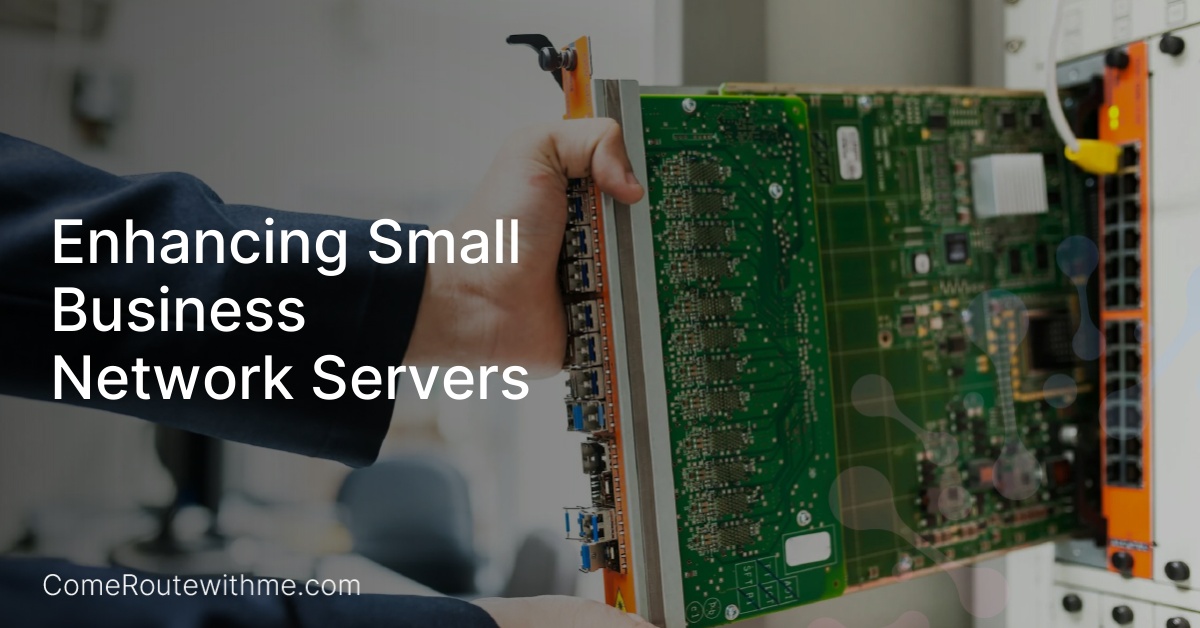
Small businesses must juggle numerous IT tasks efficiently. A small business network server stands as the backbone for these operations, managing everything from file sharing to data backup. These servers are pivotal in boosting productivity by centralizing IT management, enabling small enterprises to concentrate more on their core activities.
As businesses grow, so does the complexity of their IT infrastructure. Implementing a small business network server centralizes IT functions, simplifying management and reducing downtime. This system also offers automated updates and reliable data backup options, ensuring your information is protected and easily recoverable.
Investing in a small business network server maintains reliability and future-proofs your enterprise. With the right server, small businesses can adopt scalable solutions that expand as they do. This adaptability is crucial for sustainable long-term growth and efficiency. These servers provide comprehensive IT solutions essential for any modern business to thrive.
As infrastructure scales to meet growing demand, maintaining consistent performance across servers becomes a critical operational concern. Load balancing distributes incoming traffic intelligently across multiple servers, preventing any single node from becoming a bottleneck and ensuring high availability during peak usage periods. Organizations evaluating their options will find that load balancing solutions for scalable infrastructure vary considerably in architecture, cost, and capability—making it essential to select an approach that aligns with both current workloads and long-term growth plans. This distributed traffic management also lays the groundwork for the centralized oversight that modern network teams depend on.
Planning for growth means more than simply buying hardware with room to expand — it requires a deliberate strategy that aligns your infrastructure with where your business is headed. Adopting future-proof small business network strategies ensures your investment remains relevant as your team scales, your data demands increase, and new technologies enter the market. Getting this foundation right from the start reduces costly overhauls down the road and positions you to take full advantage of the operational efficiencies that a well-architected server environment can deliver.
Importance of Network Servers
One standout benefit of adopting a network server is centralized management. This feature allows businesses to control various functions such as hosting applications and managing email from a single point. These servers bolster data security by offering regular backups and advanced protection measures, significantly reducing operational costs and enhancing efficiency.
While a network server’s built-in security features provide a strong foundation, many businesses choose to supplement them with dedicated external solutions. Partnering with network security providers for small business can add an extra layer of protection through managed firewalls, intrusion detection, and continuous threat monitoring — capabilities that work alongside your server’s native defenses. This combination of internal controls and specialized external expertise gives your organization a more comprehensive security posture, which directly supports the centralized management advantages explored in the next section.
Centralized management streamlines administrative tasks and transforms how businesses operate. Enhanced data security ensures that sensitive information remains safeguarded through regular backups and state-of-the-art security measures.
Reduced downtime minimizes operational disruptions, ensuring smooth business operations. Cost efficiency lowers overall IT expenses, freeing resources for other critical areas. Boosted productivity allows businesses to focus more on their primary activities by transferring routine tasks to a centralized server.
Integrating a small business network server improves daily operations and sets the stage for future growth. These servers offer secure solutions for critical business needs, ensuring that your data remains protected while being readily accessible.
To get the most out of that server infrastructure, pairing it with the right monitoring solution is essential. small business network monitoring software gives administrators real-time visibility into traffic, device health, and potential threats — turning raw server data into actionable insights. Rather than waiting for something to break, these tools alert your team proactively, so issues are resolved before they disrupt daily operations. That kind of oversight also makes the transition into simplified management tools feel far less overwhelming, since you already have a clear picture of what’s happening across the network.
Beyond the office walls, a well-configured network server becomes a powerful enabler for distributed teams. When your data and resources are centrally managed and securely accessible, employees working from home or across multiple locations can collaborate just as effectively as they would on-site. The relationship between remote work and small business networks is deeply intertwined—your server infrastructure directly determines how smoothly your team can access files, share resources, and stay productive from anywhere. This level of accessibility also makes the administrator’s job considerably easier, which is where intuitive management tools prove their real value.
Of course, managing a network server in-house isn’t the right fit for every organization. Some businesses prefer to offload that responsibility entirely, handing day-to-day server oversight, security patching, and infrastructure monitoring to a dedicated third party. This is where managed IT services for businesses come into play — offering a hands-off model that keeps critical systems running without requiring a full internal IT team. Understanding both the advantages and the trade-offs of that approach can help you decide whether it complements or replaces an on-premises server strategy.
Additionally, the user-friendly interfaces and management tools of these servers simplify the administrative load, creating a more streamlined and productive work environment.
Diverse Options for Every Need
Small business network servers come in various forms, tailored to meet different needs and scales of operations. Here are some of the most popular types:
- Tower Servers: Often the go-to for smaller enterprises due to their ease of setup and lower costs, tower servers are similar to desktop computers in appearance and are ideal for offices with minimal space. They offer reliable performance and manage essential network services like file sharing and data backup efficiently.
- Rack Servers: Best suited for businesses needing scalability and higher performance, rack servers can be stacked in a rack structure, conserving space and enabling companies to house multiple servers in one physical location. This option is perfect for growing businesses requiring flexible scalability and modular infrastructure.
- Modular Infrastructure: Offering a blend of the benefits of both tower and rack servers, modular infrastructure provides a versatile and scalable solution. It empowers businesses to start small and expand as needed, maintaining efficiency and cost-effectiveness during growth phases.
Selecting the right type of server is crucial as it directly impacts your business’s ability to meet current requirements and future demands.
Key Features: What to Look For
When choosing a network server for your small business, several key features are essential to consider. These elements ensure that your server will meet your needs both now and in the future.
- Scalability: Select a server that can grow with your business. Scalable servers ensure you can easily add more capacity and capabilities as your company expands.
- User-Friendly Interfaces: Simplified administrative tasks can significantly reduce the time spent managing IT operations. Look for servers with intuitive interfaces and comprehensive management tools.
- Data Security: Protecting sensitive information is paramount. Robust data protection features, secure access protocols, and regular, automated backups are vital for safeguarding your company’s data.
- Centralized Management: Having all your IT functions controlled from a single location can dramatically improve efficiency. Centralized management allows you to streamline operations and reduce the complexity involved in managing multiple systems.
- Reliability and Minimal Downtime: Choose a server known for its reliability to avoid disruptions. Minimal downtime is crucial for maintaining continuous business operations and ensuring that your IT infrastructure supports, rather than hinders, your productivity.
By paying attention to these key features, you can ensure that your small business network server will support your company’s growth effectively and securely.
Small Business Network Server
Investing in a small business network server can transform how an enterprise manages its IT operations. By offering centralized management, enhanced security, and scalable solutions, these servers are invaluable tools for boosting productivity and minimizing operational costs. They position small businesses to stay competitive in an increasingly digital and fast-paced market.
A well-chosen network server provides the reliability and efficiency needed for sustainable growth. It acts as the cornerstone of a modern IT infrastructure, ensuring that small businesses can navigate the complexities of today’s technology landscape with confidence and ease.